FIR Quashing
FIR Quashing Lawyer in Delhi
Petitions to quash FIRs and proceedings before the Delhi High Court under the inherent jurisdiction.
Delhi High Court and District Courts at Tis Hazari, Saket, Patiala House, Karkardooma, Dwarka and Rohini.

High Court Chamber
3rd Floor, Delhi High Court, Pragati Vihar, New Delhi
District Court Chamber
Lawyer's Chambers, Rohini Court Complex, Delhi
How We Can Help
An FIR that should never have been registered can still take years to defeat at trial. Where the law permits, quashing the FIR at the threshold is faster, cheaper and far less damaging. We assess every matter for quashing potential before recommending a trial-stage defence.
The Legal Basis: Section 528 BNSS (Formerly Section 482 CrPC)
Section 528 of the Bharatiya Nagarik Suraksha Sanhita, 2023 preserves the inherent jurisdiction of the High Court that was earlier contained in Section 482 CrPC. It empowers the Delhi High Court to pass any order necessary to give effect to an order under the Sanhita, to prevent abuse of the process of any court, or otherwise to secure the ends of justice. It is not an appellate or revisional power and it is not a mini-trial: the court reads the FIR, the charge-sheet if filed, and the documents relied on, and asks whether allowing the prosecution to continue would itself be an abuse of process. Where an FIR discloses no offence in law, or where the criminal machinery has been used to enforce a civil claim or settle a personal score, the High Court can and does terminate the proceedings at the threshold.
When Quashing Is Granted: The Bhajan Lal Categories
The governing framework remains the seven illustrative categories set out by the Supreme Court in State of Haryana v. Bhajan Lal (1992): where the allegations in the FIR, taken at face value, do not make out the offence alleged; where the allegations do not disclose a cognizable offence justifying investigation; where the uncontroverted allegations and the material collected do not disclose any offence; where a non-cognizable offence is investigated without a Magistrate's order; where the allegations are so absurd or inherently improbable that no prudent person could conclude there is sufficient ground to proceed; where there is an express legal bar to institution or continuance of proceedings, or a statutory sanction or pre-condition is missing; and where the proceeding is manifestly attended with mala fides or has been instituted maliciously with an ulterior motive for wreaking vengeance. Every quashing petition we draft is anchored to one or more of these categories rather than to a general plea of innocence.
Settlement-Based Quashing: The Gian Singh Line of Cases
In Gian Singh v. State of Punjab (2012) the Supreme Court held that the High Court's inherent power is distinct from the power to compound offences, and that FIRs arising from predominantly private disputes — matrimonial, family, commercial, partnership, property and financial matters — may be quashed on the basis of a genuine settlement even where the offence is technically non-compoundable, because continuing the prosecution would serve no purpose. This was reinforced in Narinder Singh v. State of Punjab (2014) and, in the matrimonial context, in Gurudath K. and Ramgopal v. State of Madhya Pradesh (2021). The exception is equally settled: offences that are serious in nature or have an overwhelming element of public interest — murder, rape, dacoity, NDPS offences, and corruption or offences by public servants in the discharge of official duty — are not quashed merely because the complainant has settled. In practice we prepare the settlement first: written terms, discharge of financial obligations, a joint statement, and where necessary a mediation report or affidavits from both sides, so that the High Court can record that the settlement is voluntary and already acted upon.
What Quashing Does Not Do
Quashing is not an acquittal. It terminates the proceedings without any adjudication of guilt or innocence, which is why an order of quashing on settlement records no finding on the merits. It does not automatically bar a fresh FIR on materially different facts, and quashing granted on a technical defect — a missing sanction, an unauthorised investigation into a non-cognizable offence — may leave the prosecuting agency free to cure the defect. It does not extend to co-accused who have not petitioned or settled, unless the court expressly says so. And it will not be granted where the FIR discloses a serious offence, where the material shows a genuine dispute of fact that only a trial can resolve, or where public interest outweighs the settlement between the parties. Where quashing is not available, the correct route is discharge before the trial court or a defence at trial, and we say so at the assessment stage rather than filing a petition that is bound to fail.
Timeline Before the Delhi High Court
A quashing petition is ordinarily listed within one to three weeks of filing. At the first hearing the High Court issues notice to the State and, in settlement matters, to the complainant, and in appropriate cases grants interim protection restraining coercive action pending disposal. A status report is called from the Investigating Officer, usually returnable in four to six weeks. Where the petition rests on a settlement, the court often directs personal appearance of both parties, or refers the matter to the Delhi High Court Mediation Centre, before recording satisfaction that the settlement is voluntary. Straightforward settlement-based quashings are commonly disposed of in three to eight months. Contested petitions turning on whether the FIR discloses an offence in law take longer — typically nine months to two years — depending on the roster, the status report and whether the charge-sheet has intervened.
How We Build a Quashing Petition
We begin by reading the FIR against the statutory ingredients of every section invoked, then map the documents the complainant himself relies on — agreements, invoices, cheques, ledgers, messages — to test whether the essential ingredient (dishonest intention, entrustment, wrongful loss) is even alleged. The petition is then built around the Bhajan Lal category that fits, with the record annexed rather than asserted, and with the civil or contractual history placed on record where the dispute has been given a criminal colour. In settlement matters we complete the settlement documentation before filing. Interim protection from coercive action is pressed at the first hearing, the status report is answered on affidavit, and where quashing is refused the same team carries the matter forward to a discharge application or trial defence at Rohini Court without re-briefing.
Where We File
Petitions under Section 528 BNSS (Section 482 CrPC) are filed before the Delhi High Court, which exercises inherent jurisdiction over FIRs registered at police stations across Delhi, including those in the North-West district whose trials are conducted at Rohini District Court. We appear on the petition, on interim applications for protection from coercive action, and on the compliance stage where the court directs the parties to appear.
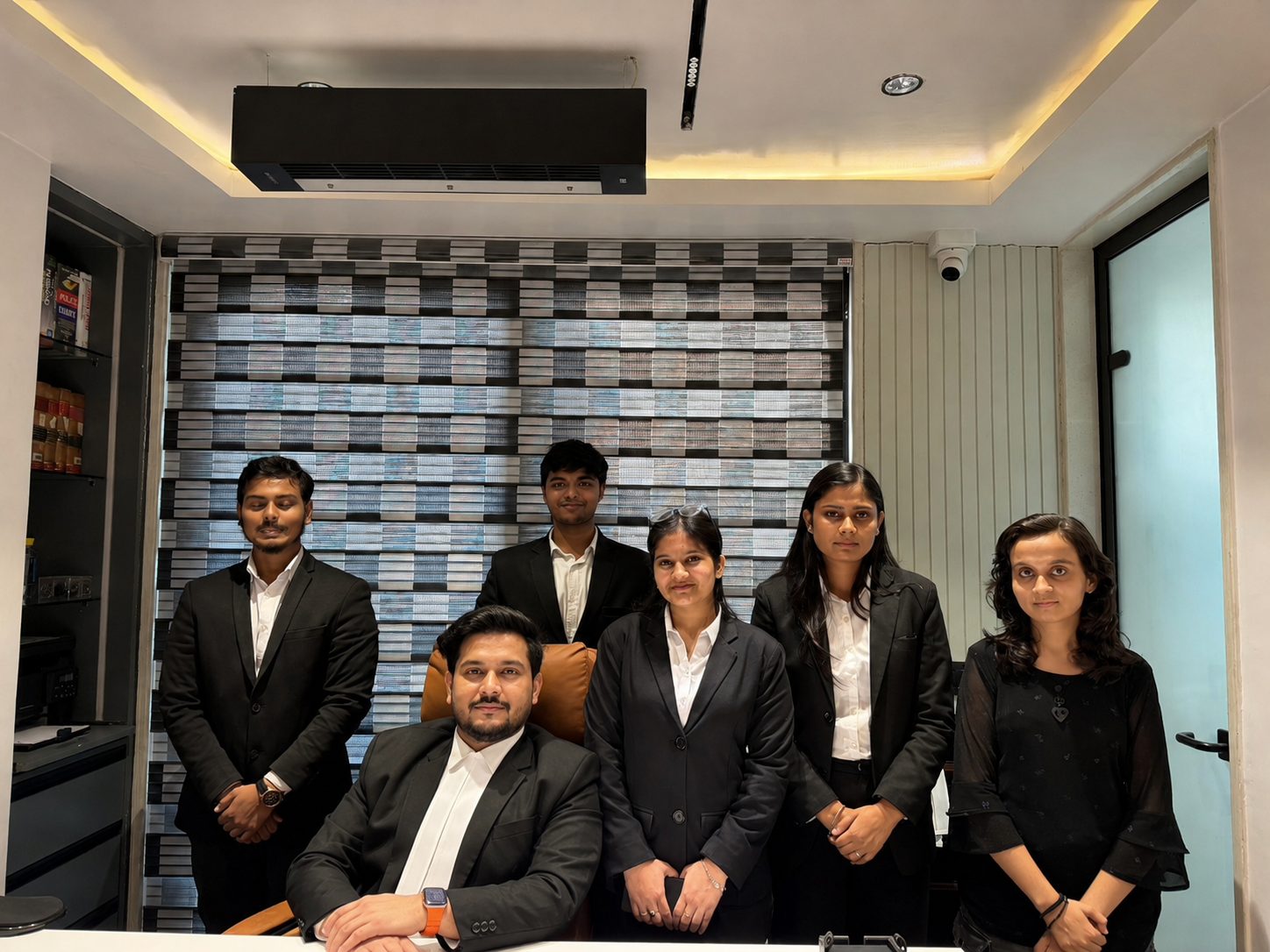
Meet Your Legal Team
Preparation for the forum your dispute is actually in.
The chambers handles trial, interim-relief and appellate work across the Delhi High Court and Delhi District Courts. The first discussion focuses on the documents, present stage, immediate risk and the remedy the record can support.
Why Samvid Law Chambers
Litigation Done With Discipline
- Quashing-first assessment of every criminal brief
- Petitions anchored to the Bhajan Lal categories, not general pleas
- Delhi High Court appearance experience
- Mediation and settlement support for matrimonial quashings
How We Work
A Clear Engagement Process
- 01
Confidential Consultation
We begin with a one-to-one consultation to understand the facts, review your documents, and identify the legal issues at stake. Everything you share is held in strict confidence.
- 02
Case Strategy & Legal Opinion
Our team prepares a written legal opinion outlining the merits, possible remedies, timelines, and an honest assessment of risks. You decide how to proceed with clarity.
- 03
Drafting & Filing
We draft pleadings, applications, and supporting documents with precision and file before the appropriate court or forum without unnecessary delay.
- 04
Court Representation
Senior advocates appear at every hearing, argue interlocutory and final matters, and keep you informed after each appearance with a written update.
- 05
Enforcement & Closure
Winning the order is only half the work. We execute decrees, enforce judgments, and follow through until the relief reaches you in practical terms.
FAQ
Frequently Asked Questions
- Yes — particularly in matrimonial, commercial, partnership, property and personal disputes. Gian Singh v. State of Punjab and the decisions following it affirm the High Court's power under Section 528 BNSS to quash settled disputes, including technically non-compoundable ones, where the dispute is predominantly private and continuing the prosecution would serve no useful purpose. Serious offences and matters with an overwhelming element of public interest are outside this route.
Consultation
Discuss your matter with an advocate
Share the facts and current documents so the chambers can identify the forum, immediate risk and available next steps.
Related Practice Areas
You may also be looking for
Related Resources
Connected Guidance on FIRs and Criminal Defence
Criminal Lawyer in Delhi
Full-spectrum criminal defence, bail, quashing and trial representation across Delhi courts.
→FIR Lawyer in Delhi
What to do when an FIR is registered against you, and how the first 48 hours shape the defence.
→Cheating Case Lawyer in Delhi
Defending Section 318 BNS allegations where a civil or commercial dispute has been given a criminal colour.
Also read our detailed guide on FIR quashing under Section 528 BNSS.