Arbitration
Arbitration Lawyer Delhi
Domestic and international commercial arbitration — from drafting the clause to enforcing the award.
Delhi High Court and District Courts at Tis Hazari, Saket, Patiala House, Karkardooma, Dwarka and Rohini.
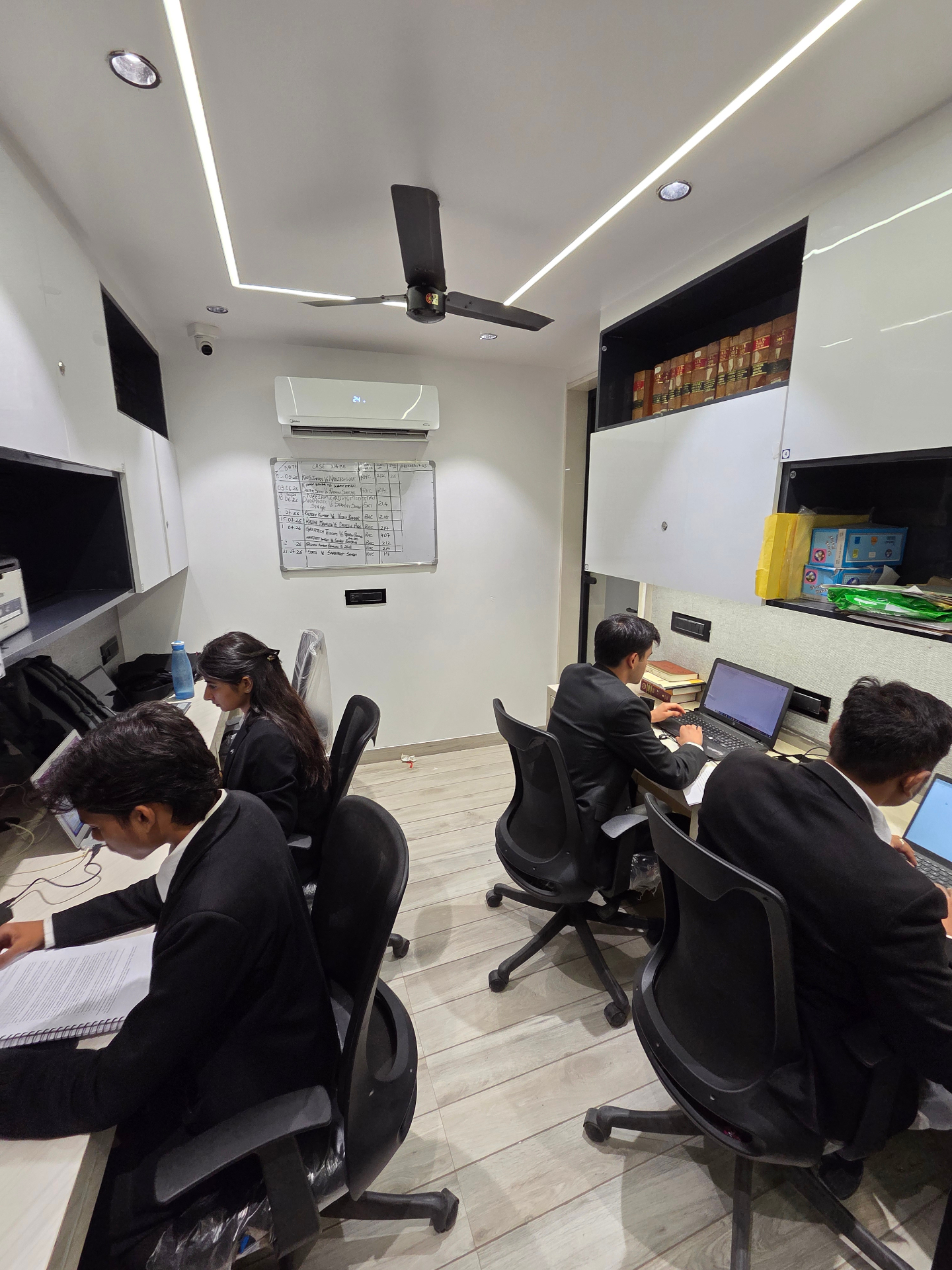
High Court Chamber
3rd Floor, Delhi High Court, Pragati Vihar, New Delhi
District Court Chamber
Lawyer's Chambers, Rohini Court Complex, Delhi
How We Can Help
Arbitration succeeds or fails on preparation. We act as counsel in commercial arbitrations across sectors — construction, infrastructure, distribution, joint ventures, shareholder disputes — and before the Delhi High Court for Section 9, Section 11, Section 34 and Section 36 proceedings under the Arbitration & Conciliation Act, 1996.
Arbitration Work We Do
Drafting and reviewing arbitration clauses; advising on choice of seat, institution and applicable law; representing claimants and respondents in ad-hoc and institutional arbitrations (DIAC, ICA, MCIA, SIAC, ICC); Section 9 interim relief petitions; Section 11 applications for appointment of arbitrators; Section 17 applications for interim measures before the tribunal; Section 34 challenges to awards; Section 37 appeals; and Section 36 enforcement proceedings. We act in construction and infrastructure claims, EPC and works-contract disputes, distribution and supply terminations, joint venture and shareholder disputes, real estate development agreements, and service and consultancy contract claims.
Section 9 — Interim Relief in Detail
Section 9 allows a party to approach the court for interim measures before the commencement of arbitration, during the arbitration, or after the award is made but before it is enforced. Pre-arbitral relief before the Delhi High Court typically takes the form of an injunction restraining invocation of a bank guarantee, restraining transfer or creation of third-party rights in a disputed asset, attachment or securing of the amount in dispute, appointment of a receiver, or preservation of goods and records. Where an application is filed under Section 9(1) before commencement, arbitration must be commenced within ninety days of the order. Once a tribunal is constituted, Section 9(3) bars the court from entertaining an application unless it finds that circumstances exist which render the remedy under Section 17 inefficacious — the practical consequence being that after constitution, interim relief is sought from the tribunal. Post-award interim relief under Section 9 is commonly used by a successful claimant to secure the award amount while a Section 34 challenge is pending.
Section 11 — Appointment of Arbitrators
Where a party fails to act as required under the agreed appointment procedure, an application under Section 11(6) lies before the Delhi High Court. After the 2015 amendments the court's enquiry is confined, under Section 11(6A), to the existence of an arbitration agreement — not to the merits or to elaborate questions of arbitrability. The 2015 amendments also introduced the Fifth and Seventh Schedules: a person falling within the Seventh Schedule is ineligible to act as arbitrator, which is why unilateral appointment clauses favouring one party have repeatedly been struck down. In practice, the Delhi High Court routinely refers matters to the Delhi International Arbitration Centre for appointment and administration, and Section 11 orders now come with directions on fees under the Fourth Schedule. We prepare Section 11 petitions with the notice of invocation, the failure of the agreed mechanism and the independence objections documented up front, because that is what decides the petition.
Section 34 — Challenging an Arbitral Award
A challenge under Section 34 is not an appeal on merits. The grounds are exhaustive: incapacity of a party, invalidity of the arbitration agreement, absence of proper notice of appointment or of the proceedings, the award dealing with a dispute beyond the scope of the reference, an irregularly constituted tribunal or procedure contrary to the agreement, non-arbitrability, conflict with the public policy of India, and — for purely domestic awards — patent illegality appearing on the face of the award. Patent illegality is narrow: a contravention of substantive law going to the root of the matter, a decision ignoring the terms of the contract, or findings so perverse that no reasonable person could reach them. Re-appreciation of evidence is not available. Limitation is strict — three months from receipt of the award, extendable by a further thirty days on sufficient cause shown, and not beyond. A petition must also comply with Section 34(5) notice requirements.
Section 36 — Enforcement of Awards
Once the time for a Section 34 challenge expires, or the challenge is dismissed, the award is enforced as if it were a decree of the court under the Code of Civil Procedure, 1908. The position on stay changed materially with the 2015 amendment: the mere filing of a Section 34 petition no longer operates as an automatic stay of the award. A separate application for stay is required, the court may grant it on conditions — commonly deposit or security for the awarded sum — and where the award is for payment of money the court must have due regard to the provisions on stay of money decrees. The 2021 amendment added an unconditional stay where the court is satisfied prima facie that the arbitration agreement or the award was induced by fraud or corruption. Enforcement itself proceeds through execution — attachment, garnishee proceedings, and disclosure of assets.
Institutional vs Ad-hoc Arbitration & Choosing the Seat
Ad-hoc arbitration remains common in India and gives the parties maximum control, but it also means no institutional supervision of timelines, fees or appointment. Institutional arbitration under DIAC, ICA or MCIA rules brings a fee schedule, secretariat administration, scrutiny of procedure and emergency-arbitrator provisions; SIAC and ICC are the usual choices for cross-border contracts with an international counterparty. The seat, not the venue, decides which court exercises supervisory jurisdiction — a Delhi seat means Section 9, 11, 34 and 37 proceedings lie before the Delhi High Court, and a foreign seat means the award is a foreign award enforced under Part II of the Act rather than challenged under Section 34. We advise on this at the drafting stage because the choice cannot be undone later.
Arbitration and the Commercial Courts Act, 2015
Arbitration arising out of a commercial dispute of a specified value is heard on the commercial side. Section 9, Section 34 and Section 37 petitions in Delhi-seated arbitrations are listed before the Commercial Division or the Commercial Appellate Division of the Delhi High Court depending on the relief sought, and the procedural discipline of the Commercial Courts Act applies — case management, strict timelines for pleadings and documents, and costs consequences. Section 12A pre-institution mediation does not apply where urgent interim relief is sought. This framework is why arbitration-related petitions in Delhi are decided on a documented record rather than through prolonged oral hearings, and it rewards early document management.
How Samvid Law Chambers Approaches Arbitration Matters
Our method is consistent. First, the clause: we read it before anything else, because the seat, the appointment mechanism, the institution and the scope of the reference dictate every option available. Second, forum strategy: whether relief is sought under Section 9 before the Delhi High Court or under Section 17 before the tribunal, and whether an award is worth challenging under Section 34 or better met with a conditional-stay strategy. Third, document-led advocacy: arbitral tribunals decide on the documentary record, so we build chronologies, correspondence bundles and expert-supported claim computations early rather than relying on oral argument. Where interim relief is the live question, our note on Section 9 versus Section 17 sets out how we choose between the two forums at each stage of a dispute.
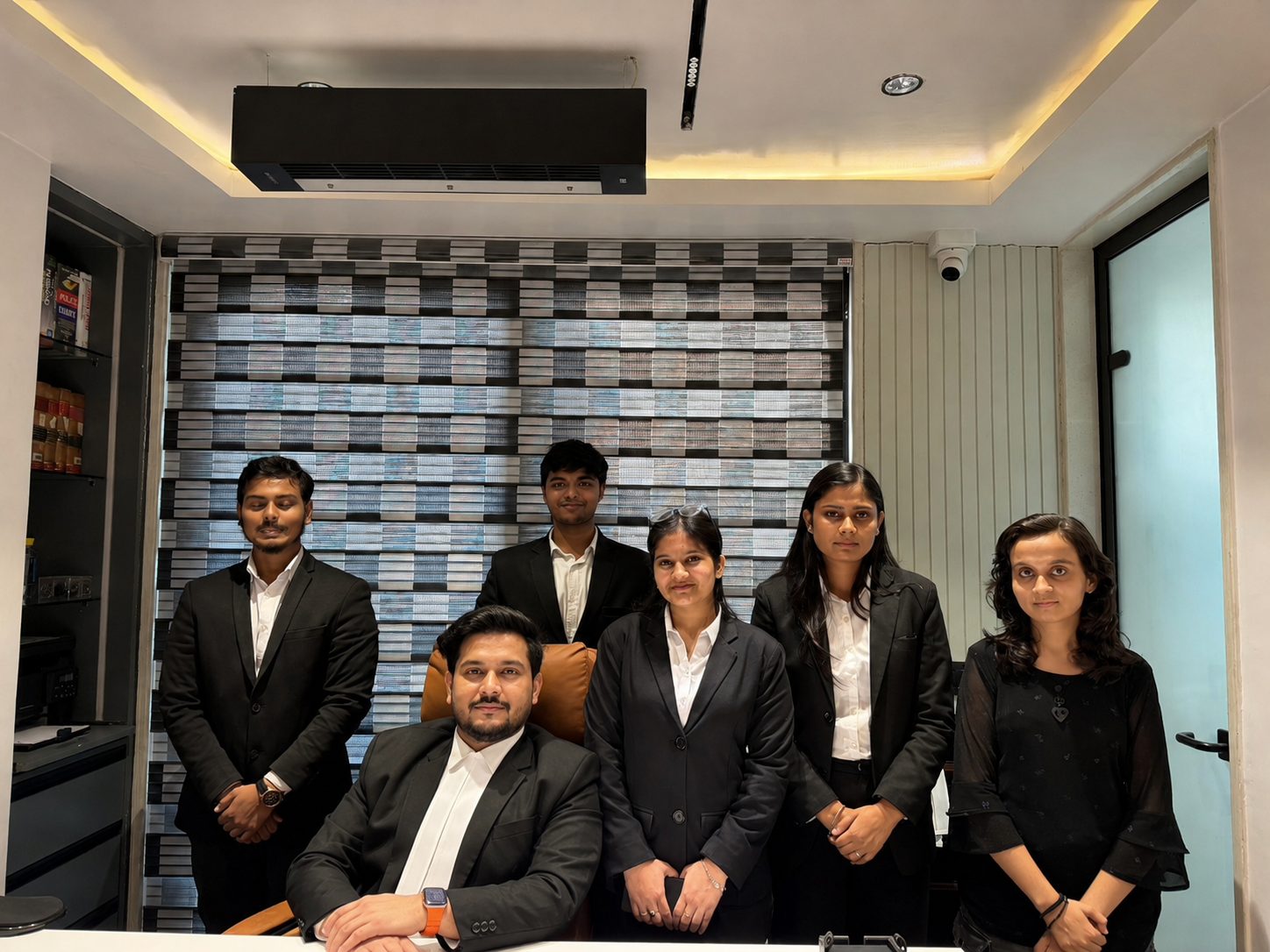
Meet Your Legal Team
Preparation for the forum your dispute is actually in.
The chambers handles trial, interim-relief and appellate work across the Delhi High Court and Delhi District Courts. The first discussion focuses on the documents, present stage, immediate risk and the remedy the record can support.
Why Samvid Law Chambers
Litigation Done With Discipline
- Counsel-level arbitration experience, not just advisory
- Comfortable across institutional rules — DIAC, ICA, MCIA, SIAC and ICC
- Strong record in Section 34 and Section 37 proceedings before the Delhi High Court
- Urgent Section 9 and Section 17 interim relief handled at short notice
- Clause drafting and seat selection advice that prevents disputes about the forum
- Enforcement and execution followed through to actual recovery
How We Work
A Clear Engagement Process
- 01
Confidential Consultation
We begin with a one-to-one consultation to understand the facts, review your documents, and identify the legal issues at stake. Everything you share is held in strict confidence.
- 02
Case Strategy & Legal Opinion
Our team prepares a written legal opinion outlining the merits, possible remedies, timelines, and an honest assessment of risks. You decide how to proceed with clarity.
- 03
Drafting & Filing
We draft pleadings, applications, and supporting documents with precision and file before the appropriate court or forum without unnecessary delay.
- 04
Court Representation
Senior advocates appear at every hearing, argue interlocutory and final matters, and keep you informed after each appearance with a written update.
- 05
Enforcement & Closure
Winning the order is only half the work. We execute decrees, enforce judgments, and follow through until the relief reaches you in practical terms.
FAQ
Frequently Asked Questions
- Yes, under Section 9 of the Arbitration & Conciliation Act, 1996. The Delhi High Court regularly grants interim measures — injunctions, attachment, appointment of receivers — pending constitution of the tribunal.
Consultation
Discuss your matter with an advocate
Share the facts and current documents so the chambers can identify the forum, immediate risk and available next steps.
Related Practice Areas